Her story
The facts are told as family and collective memory has handed them down.
The origins of her story
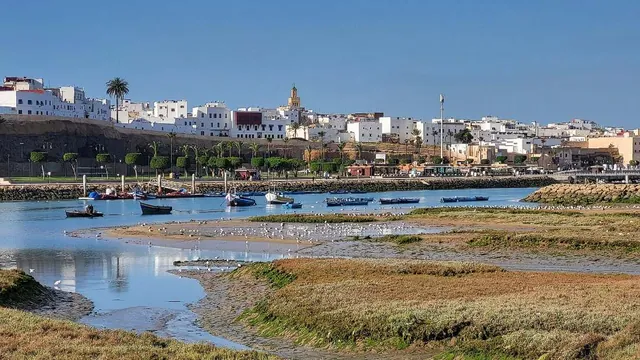
According to information shared with the association, Khnata Ronda came from the Ronda family of Rabat, of Andalusian descent. After marrying El Amri, a merchant in Salé, she settled in the city and raised her family there.
A family path
- Born into the Ronda family of Rabat
- Family origins said to be Andalusian
- Married to El Amri, a merchant in Salé, where she raised her family
A memory handed down
- Committed to the national struggle for independence
- A coordinating role attributed to her
- Accounts carried by family and collective memory
Courage at the heart of the national struggle
Her name is associated with the events of 29 January 1944 in Salé, in which she is said to have helped coordinate the demonstration.
According to the memory devoted to her, she walked at the head of the procession carrying the Moroccan flag, a symbol of freedom, dignity and national sovereignty.
Sacrifice and memory
Fatally wounded by French army gunfire, she gave her life for her homeland. Preserving her name is a duty of remembrance.
A memory to pass on
This story deserves to be preserved with care, by comparing archives, family testimony and historical sources.
The association collects the testimonies, photographs and documents that shed light on her life, so that younger generations inherit a living and well-documented memory.
Her story is a source of inspiration for Moroccan women and a reminder that their contribution to national history deserves to be recognised, honoured and passed on.